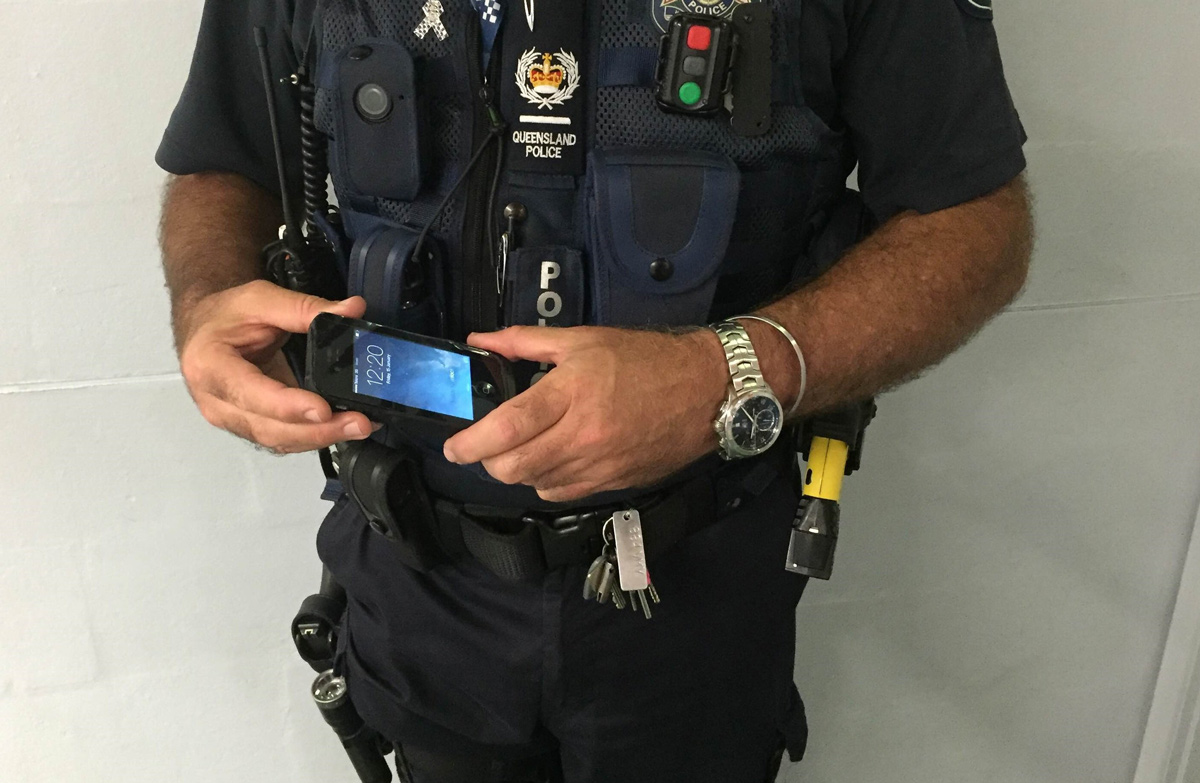

A Police officer or private individual may apply for a Domestic Violence Order (DVO) where you are in a relevant relationship with the aggrieved person. This includes an intimate personal relationship, family relationship or informal care relationship.
Temporary Protection Order.
At the first hearing, a Magistrate may consider whether to make a Temporary Protection Order.
At this stage, the Court may make an order if:
- a relevant relationship exists between the parties; and
- the respondent has committed domestic violence against the aggrieved.
The usual rules of evidence do not apply in the same way at a temporary hearing. The Court may consider evidence that is sufficient and appropriate having regard to the temporary nature of the order.
A Temporary Protection Order will generally remain in place until the matter is finally determined or the order is otherwise varied or revoked.
FInal DVO Hearing
At a final hearing, the Court must consider whether:
- a relevant relationship exists;
- the respondent has committed domestic violence (DVO); and
- the protection order is necessary or desirable to protect the aggrieved from domestic violence.
Preparing Your Evidence
Both parties are entitled to give evidence. Depending on the circumstances, a respondent may provide an affidavit responding to the allegations and may be required to give evidence and be cross-examined.
Your evidence should be focused, factual and relevant to the issues before the Court. It should address the allegations directly rather than recounting every disagreement in the relationship.
Where possible, set out events chronologically, identifying:
- what happened;
- when and where it happened;
- who was present; and
- what was said or done.
Relevant supporting material may include text messages, emails, photographs, recordings and other documents.
In some matters, it may also be relevant to address insight, education, remorse or steps taken to prevent further conflict. The appropriate approach will depend on the circumstances of the case.
Defending a DVO (Domestic Violence) application
If you intend to oppose a DVO application, you should develop a clear strategy before the hearing. This includes reviewing the allegations, identifying the issues in dispute, gathering relevant evidence and preparing concise affidavit material addressing the allegations.
It is important to obtain legal advice before filing evidence or giving evidence, as your evidence may be tested in cross-examination.
Speak with one of our accredited specialists today to discuss your DVO application and your options for responding to it.
Compiled by Tom Gardiner | Principal
Call us after hours on 0416 205 363. During business hours, the Fisher Dore Lawyers team is available for enquiries on 1300 557 884 or send a confidential enquiry through our website.